
Psychology Masterclass Blog
Explanations, background, and advice for curious students.
Latest articles
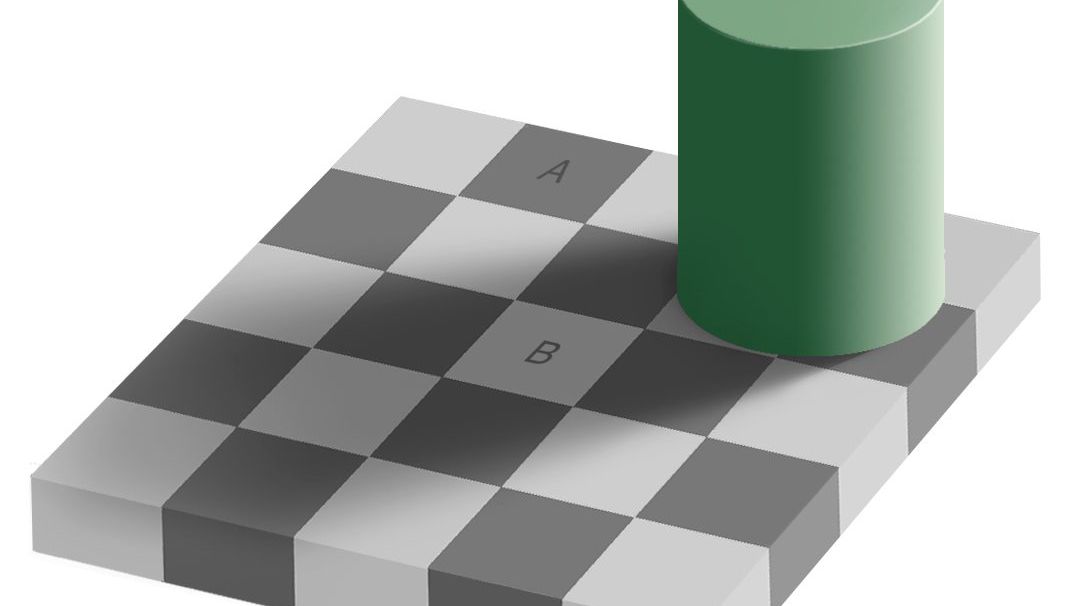
The dress, ten years later
In February 2015 a photograph of a dress split the internet into people who saw blue and black and people who saw white and gold. Vision scientists had never seen a stimulus like it. Here is what ten years of research found about why, and what it taught about seeing.
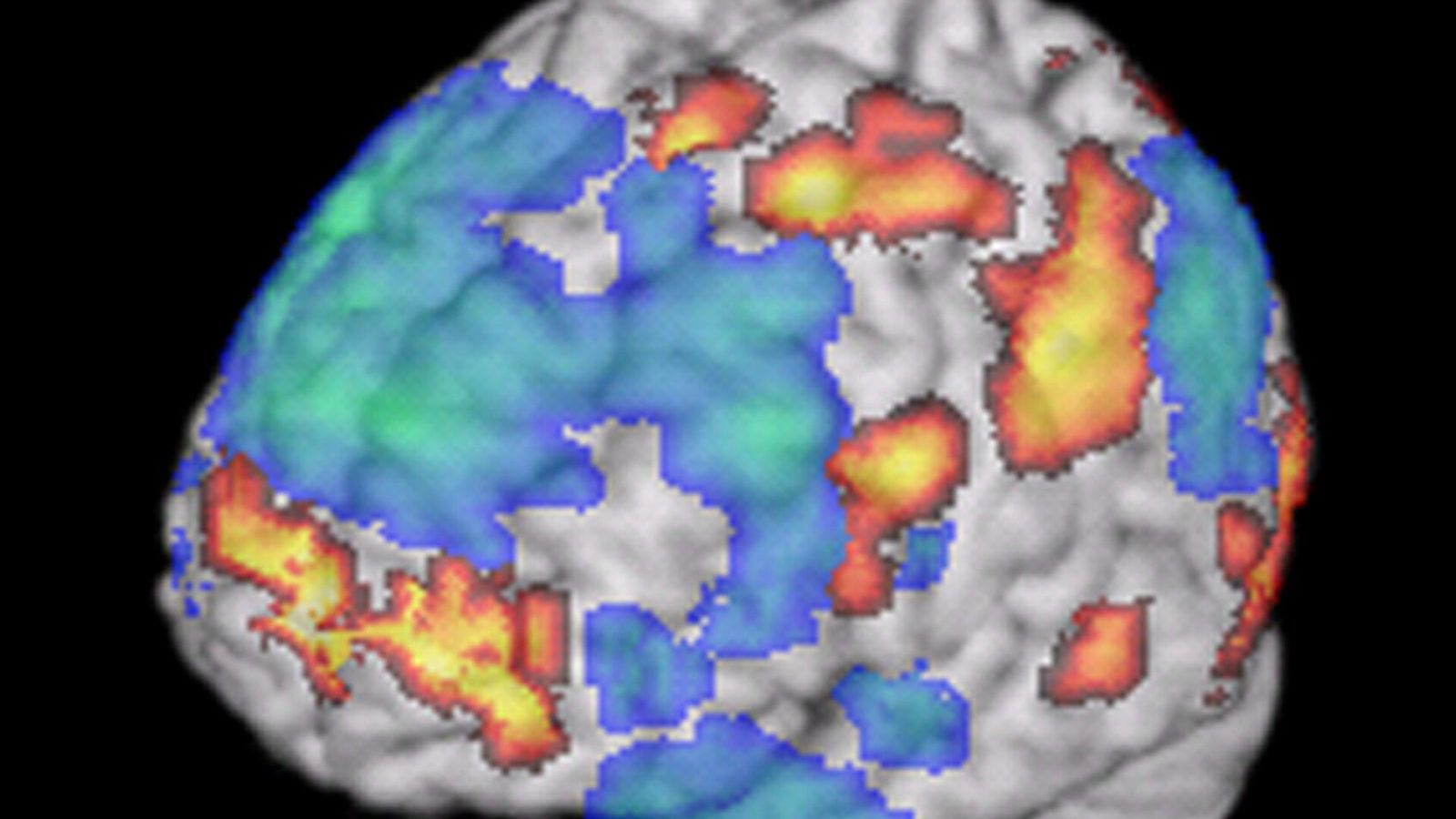
What an fMRI scan actually measures
A coloured blob on a grey brain looks like a photograph of thinking. It is a map of where a statistical test passed, computed from changes in blood oxygen several seconds after the neurons fired. Here is what the signal is, what the dead salmon showed, and how to read a brain image in the news.
Seven, plus or minus two, or four
The most quoted number in psychology is seven, the number of things you can hold in mind at once. The current estimate is four. Both figures come from good experiments, and the difference between them is the whole story of working memory.

The Stanford prison experiment in the archives
For nearly fifty years the Stanford prison experiment was taught as proof that a uniform and a role can turn anyone cruel. Then researchers read the archive. What they found about the coaching of the guards has changed how the study is taught.
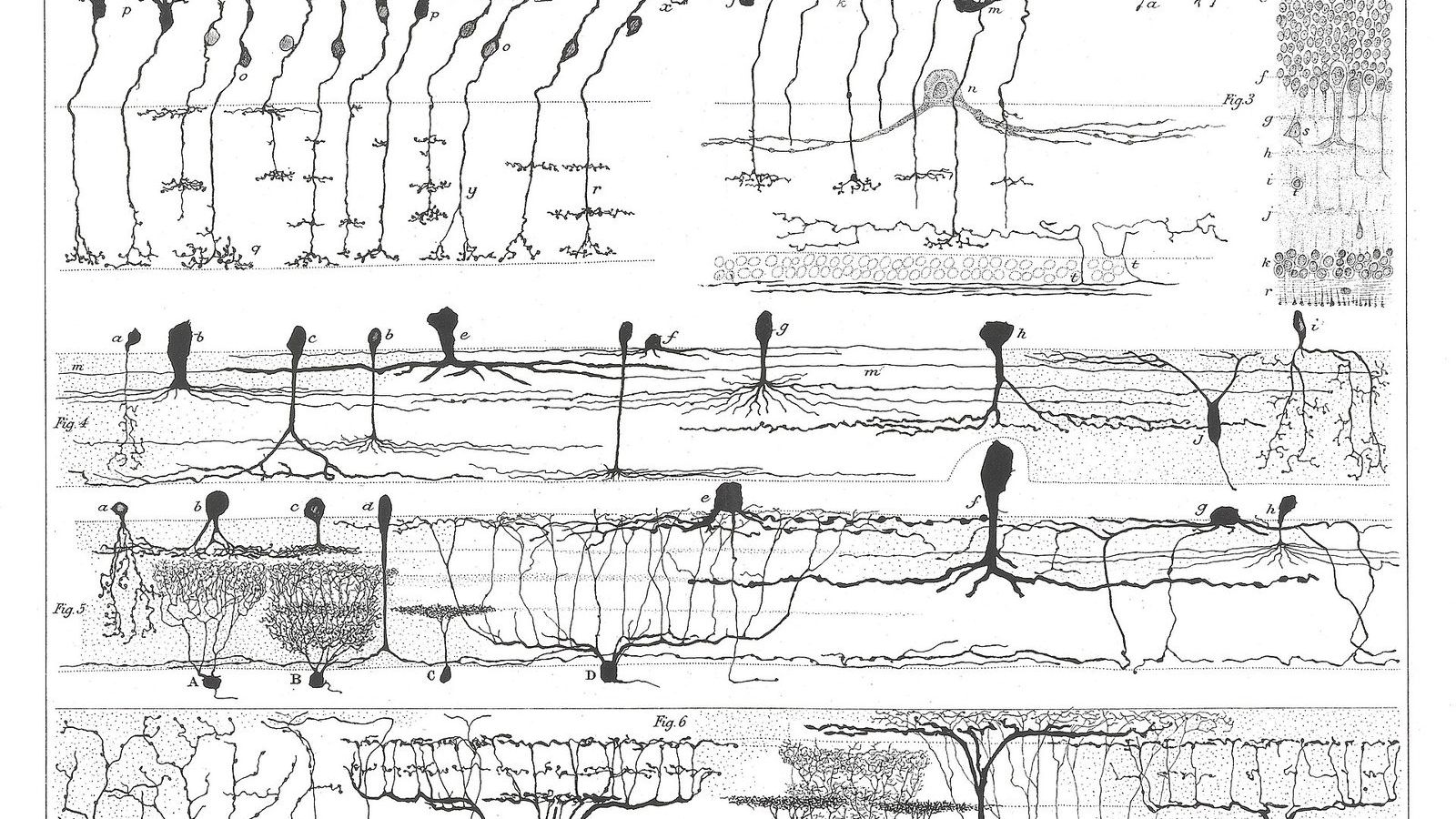
How many neurons does the brain have
For decades every textbook said 100 billion. Nobody had counted. When someone did, in 2009, the answer was 86 billion, the glia were not ten times as many, and four fifths of the neurons turned out to be in the cerebellum.

Does the testing effect work for your exams
Students who test themselves remember more a week later than students who reread, by about 20 percentage points in the classic study, and feel less confident while doing it. Here are the figures, what spacing adds, and a revision plan built on both.
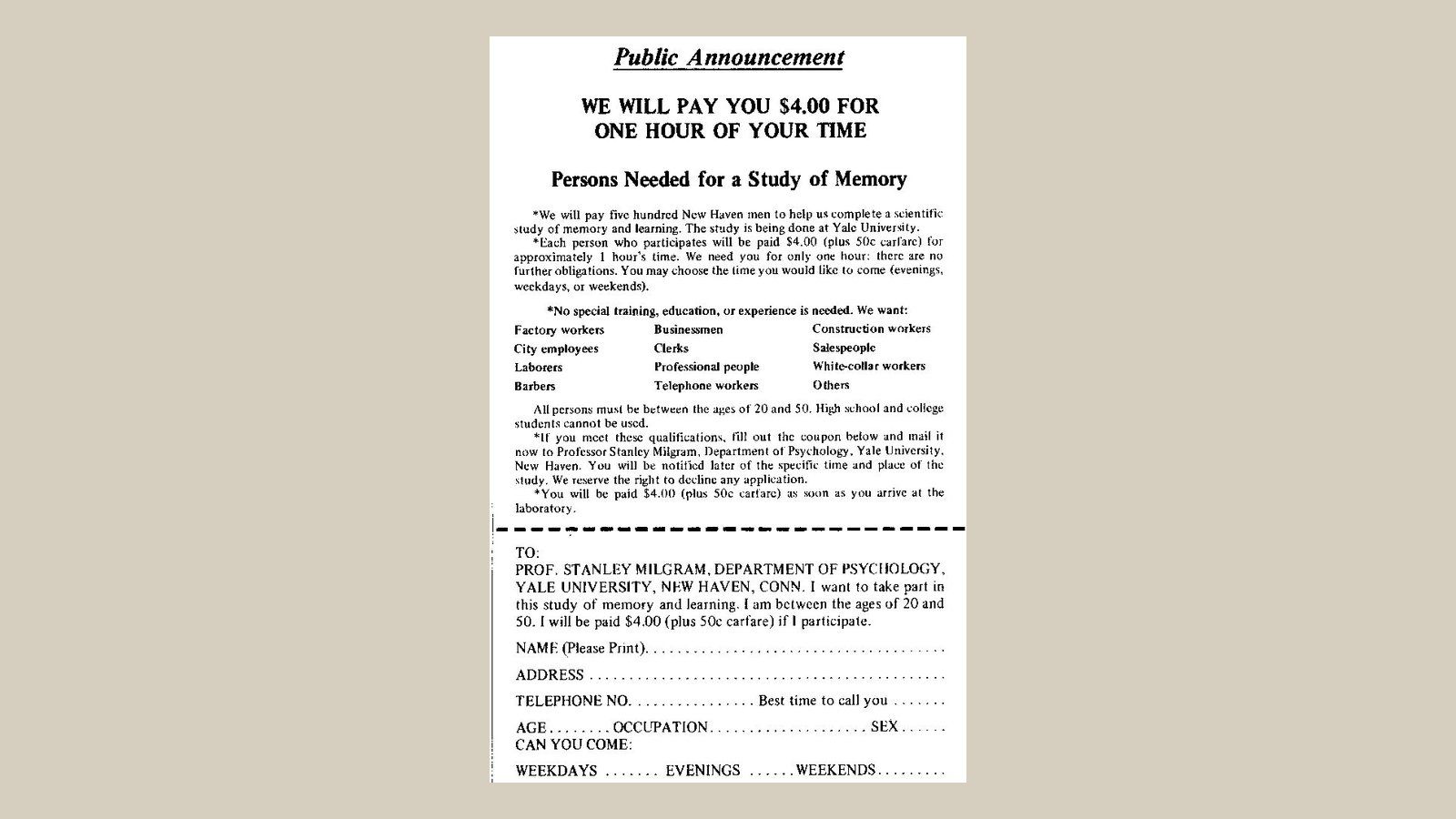
Milgram's obedience study, sixty years on
In 1963 Stanley Milgram reported that 26 of 40 ordinary men had given what they believed were 450-volt shocks to a stranger because a man in a grey coat told them to. Here are the figures, the variations, the ethics debate, the 2009 replication, and what the archives changed.

How to read a p-value
Every psychology paper reports p-values, most news stories misread them, and so do many of the scientists who compute them. Here is what p below 0.05 means, three things it does not mean, and why the effect size matters more.
What happened when psychologists repeated 100 experiments
In 2015, 270 researchers repeated 100 published studies from three leading journals. About a third gave a significant result again. Here are the figures, what produced them, and what psychology has changed in the ten years since.