
Development, personality, and intelligence
How infants and children learn, how a child acquires language, whether personality changes after 30, what IQ predicts, and what twin studies show.
Articles
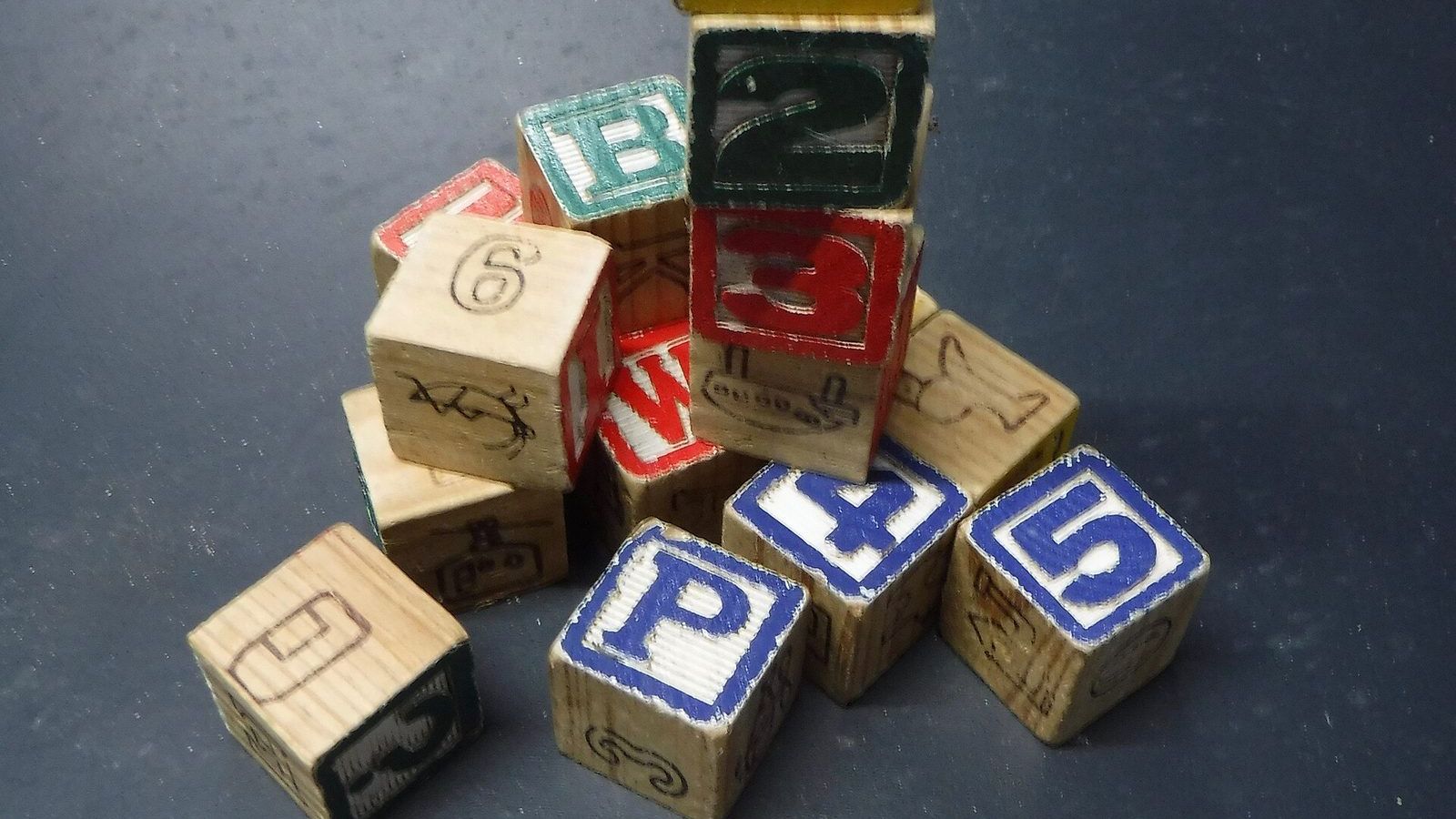
How a child learns the past tense
A three-year-old who said "went" last month says "goed" this month and will say "went" again by school. The mistake is the most informative thing in child language, and it started a thirty-year argument about whether the mind runs on rules or on memory.
What IQ predicts and what it does not
An IQ score predicts school grades, job performance, and even length of life better than almost any other single number psychologists can measure, and it predicts none of them well enough to decide anything about one person. Here are the correlations and the Flynn effect.

Is personality fixed after 30
William James wrote in 1890 that by the age of 30 character has set like plaster. A century of longitudinal studies says he was half right: people keep their rank among their peers, and the whole cohort moves in the same direction for decades.
In the masterclass
Thinking, Language, and Decisions
Concepts, problems, judgement under uncertainty, and the language we think in
Development Across the Lifespan
How the mind grows and changes from infancy to old age
Personality and Intelligence
What traits and tests measure, and what they predict