
Memory and learning
Henry Molaison and the two kinds of memory, the forgetting curve, the testing effect and how to study, working memory, and why recall rebuilds a memory.
Articles
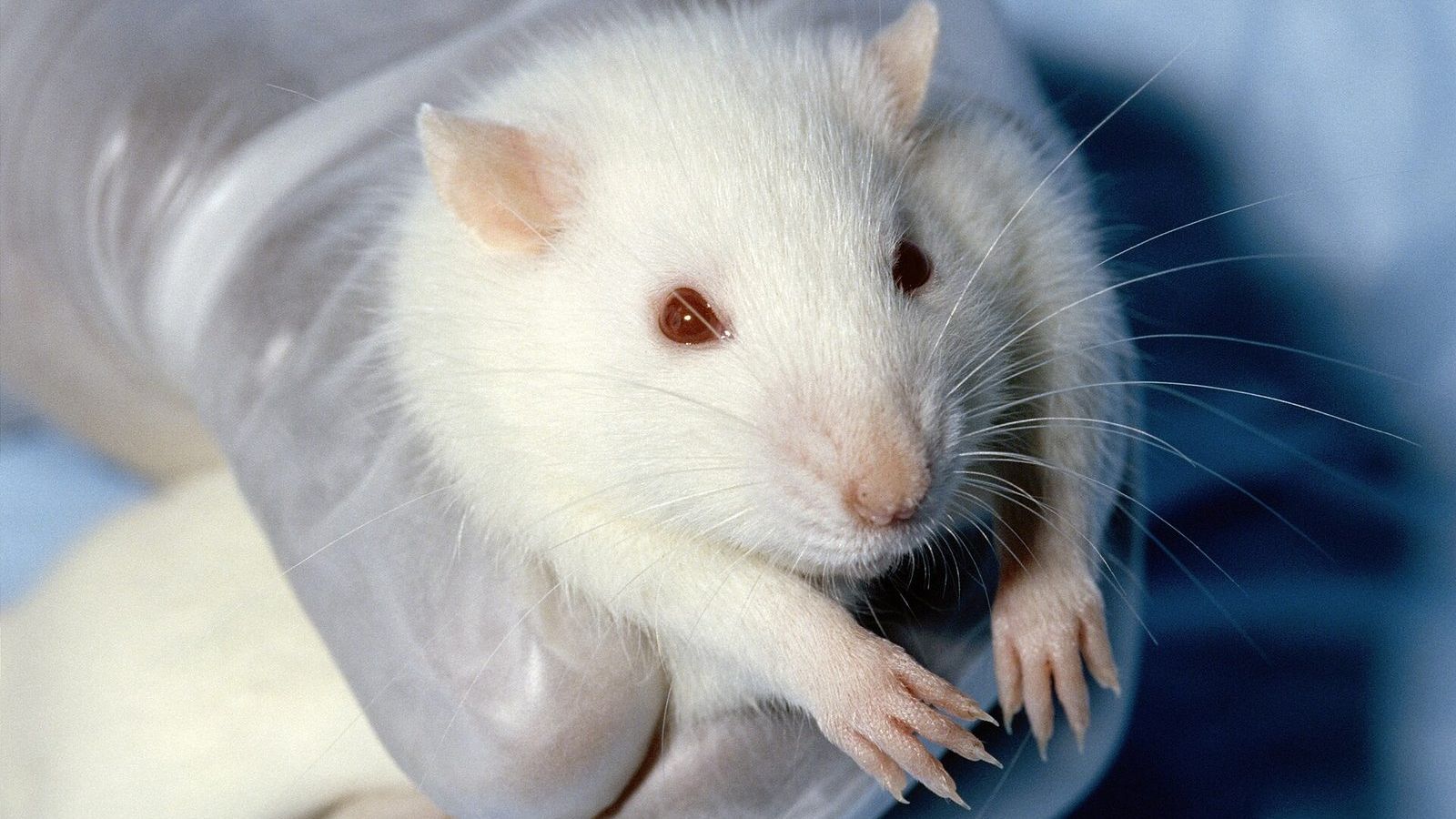
Grid cells and the brain's map
A rat has neurons that fire at the corners of a hexagonal grid laid over any space it walks through. Here is how place cells and grid cells were found, what the 2014 Nobel Prize was for, and the shape, discovered in 2022, that the whole population of grid cells traces out.
How a child learns the past tense
A three-year-old who said "went" last month says "goed" this month and will say "went" again by school. The mistake is the most informative thing in child language, and it started a thirty-year argument about whether the mind runs on rules or on memory.
Seven, plus or minus two, or four
The most quoted number in psychology is seven, the number of things you can hold in mind at once. The current estimate is four. Both figures come from good experiments, and the difference between them is the whole story of working memory.

Does the testing effect work for your exams
Students who test themselves remember more a week later than students who reread, by about 20 percentage points in the classic study, and feel less confident while doing it. Here are the figures, what spacing adds, and a revision plan built on both.
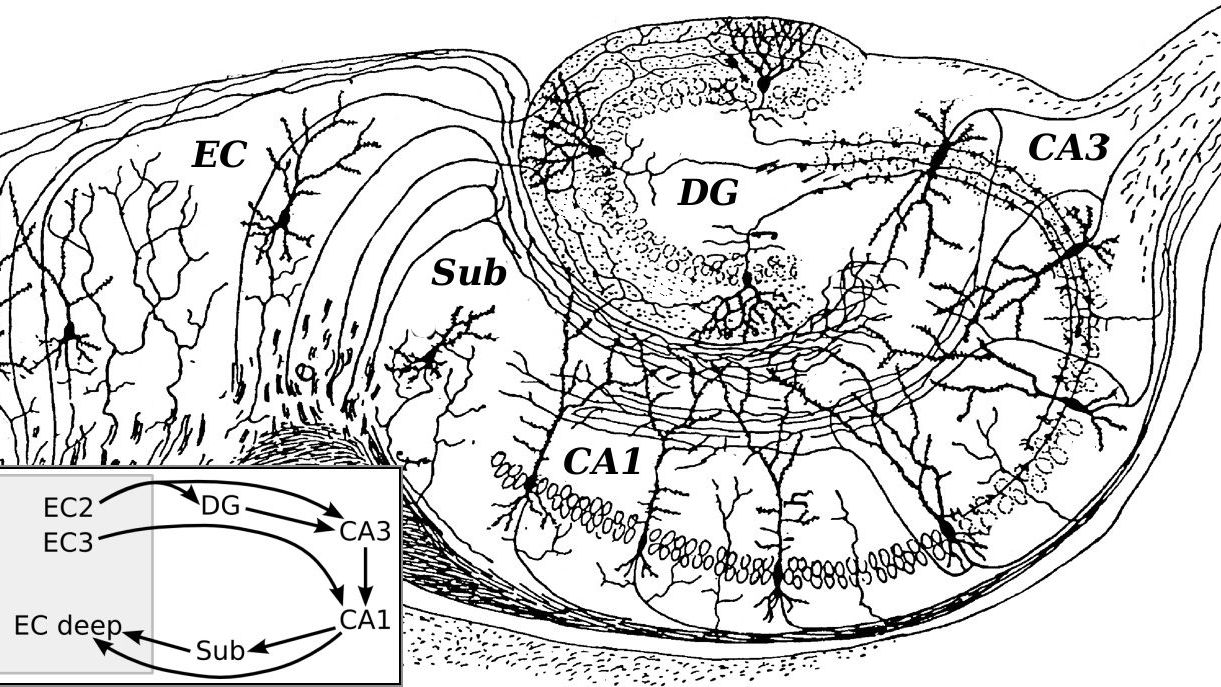
Henry Molaison and the two kinds of memory
On 1 September 1953 a surgeon removed the inner part of both temporal lobes of a 27-year-old man to stop his seizures. What Henry Molaison lost and what he kept divided memory into two kinds and gave psychology its most studied patient.
In the masterclass
Learning and Conditioning
Pavlov, Skinner, and the rules by which experience changes behaviour
Memory and Forgetting
How memories are formed, kept, lost, and rebuilt at every recall
Memory in the Brain
The hippocampus, place cells and grid cells, and the physical trace a memory leaves