
Research presented in the program
Established findings are the foundation. The research spotlights show what is being built on them now: each unit presents the published work of a leading psychologist or neuroscientist and links to the original paper.
The scientists named here are not contributors to the Psychology Masterclass, are not affiliated with it, and have not endorsed it. The program presents and explains their published research, with references to the original papers.
Research spotlights
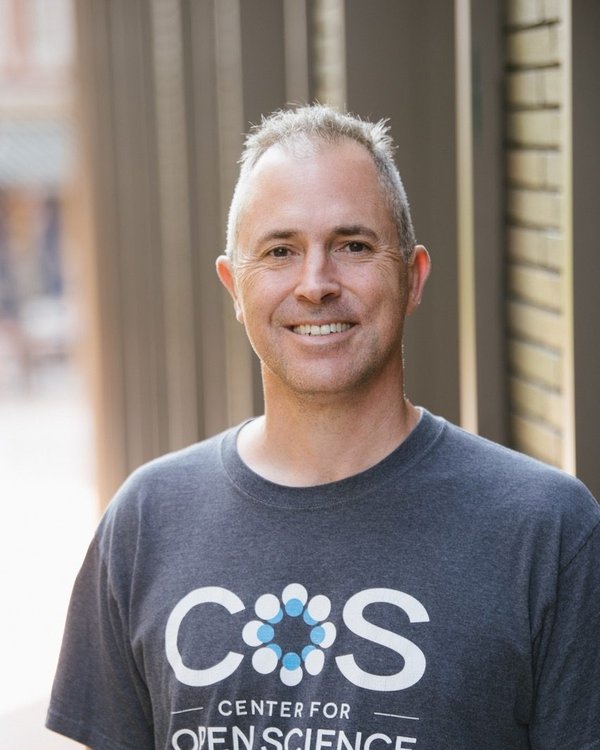
Brian A. Nosek
Replication, research practice, and the reform of psychological science
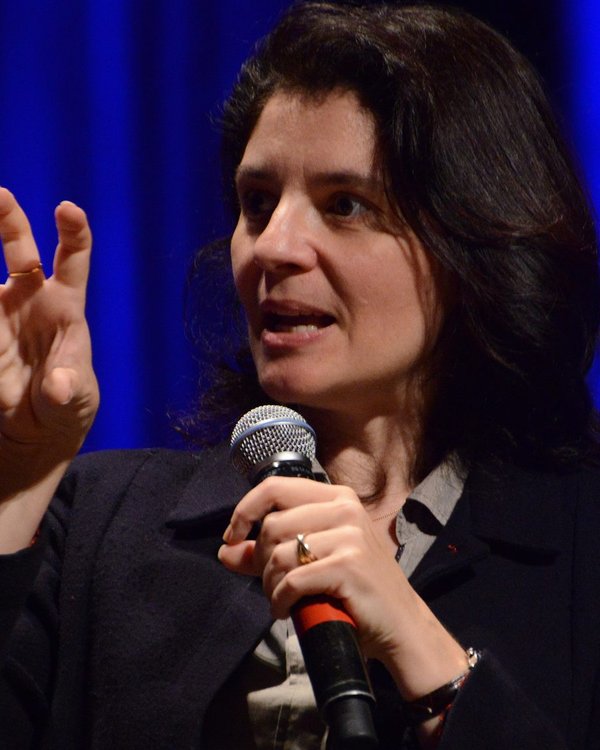
Suzana Herculano-Houzel
Comparative neuroanatomy, the cellular composition of brains
Pascal Wallisch
Perception, individual differences in vision, data science of psychology
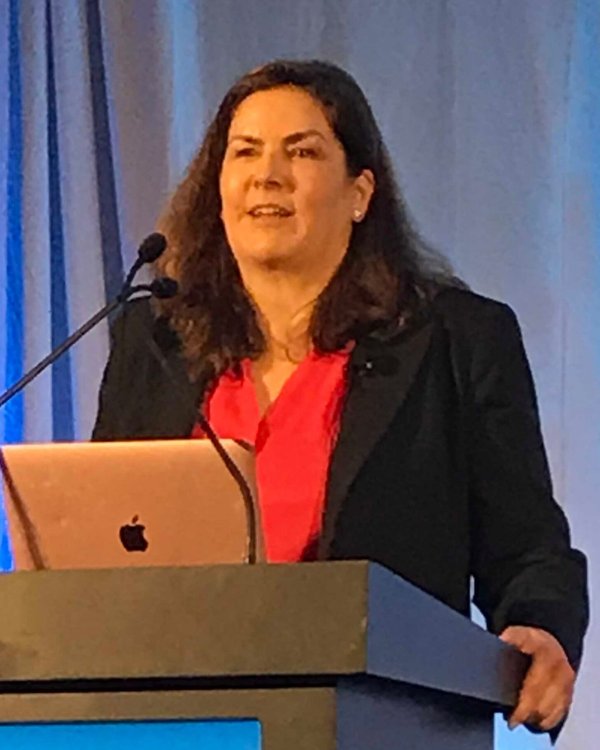
Elizabeth A. Phelps
Emotion, learning, and memory in the human brain
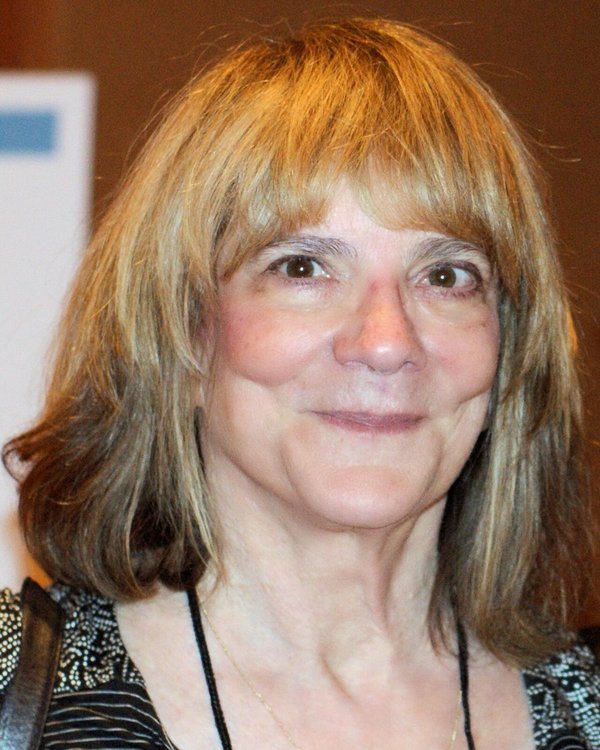
Elizabeth F. Loftus
Human memory, the misinformation effect, false memories, and eyewitness testimony
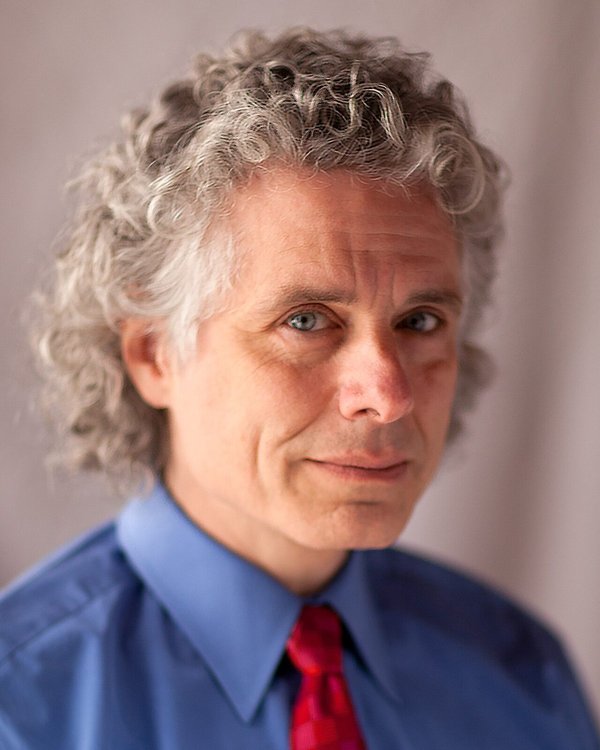
Steven Pinker
Language, cognition, and the evolution of the language faculty
S. Alexander Haslam
Social identity, leadership, and the psychology of groups
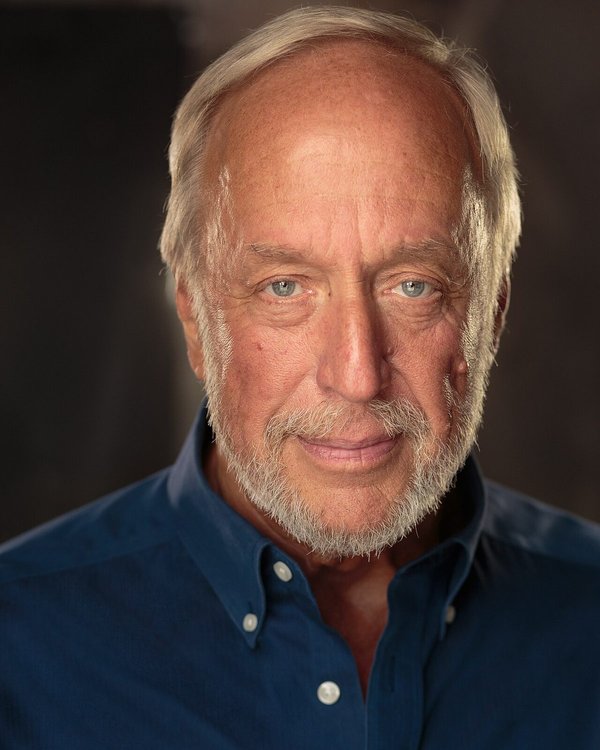
Robert Plomin
Behavioural genetics of intelligence, personality, and learning
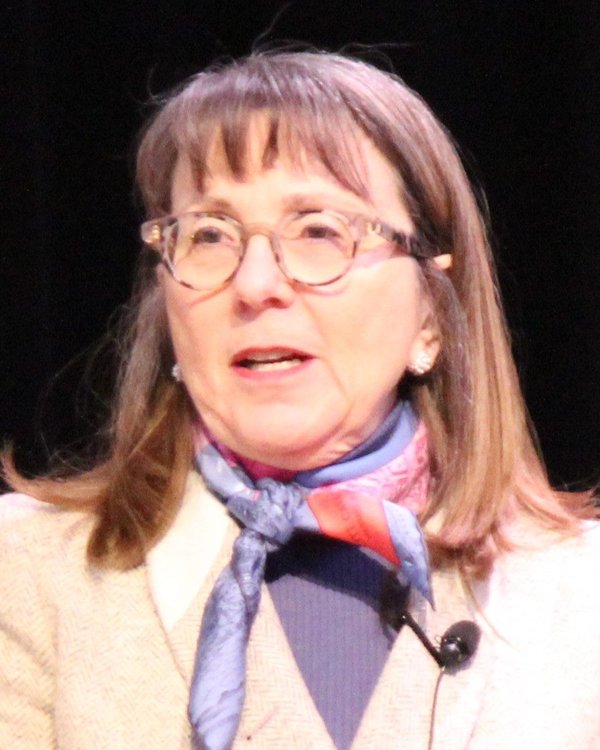
Lisa Feldman Barrett
Affective science, the neuroscience of emotion
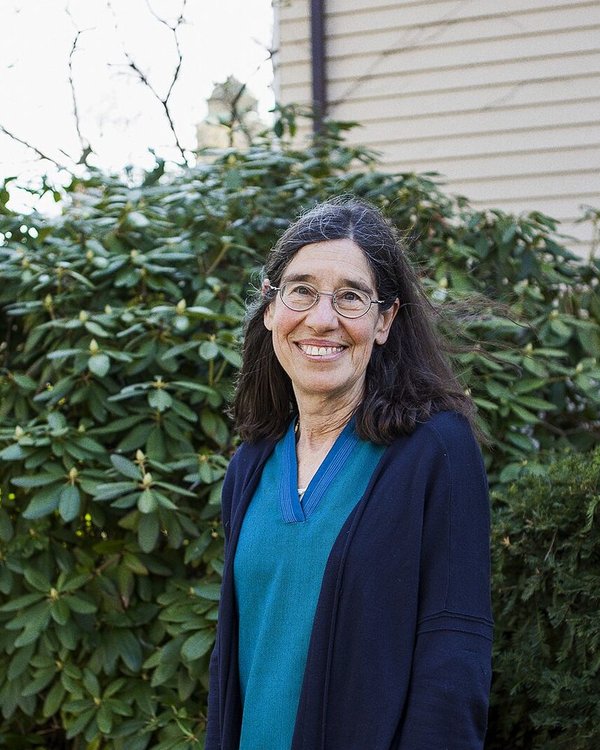
Elizabeth S. Spelke
Cognitive development, core knowledge in infancy
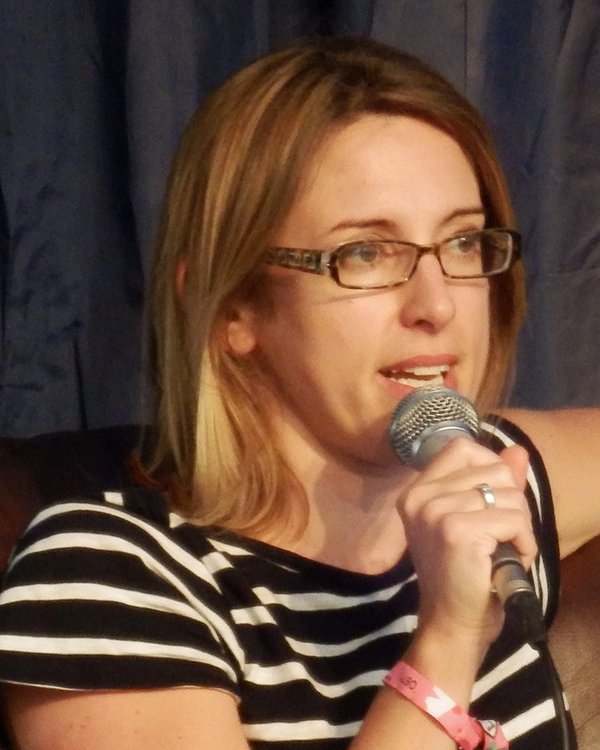
Sarah-Jayne Blakemore
Adolescent brain development and social cognition
Brent W. Roberts
Personality development and the prediction of life outcomes
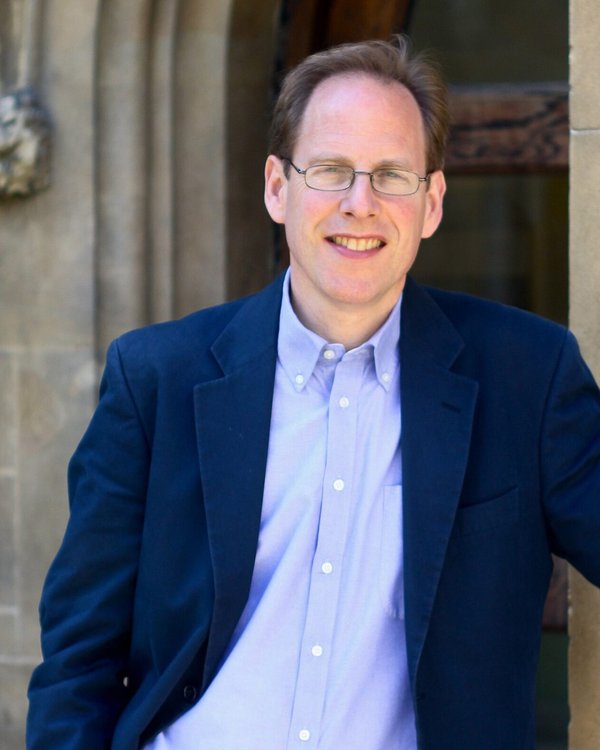
Simon Baron-Cohen
Autism research, sex differences in empathizing and systemizing
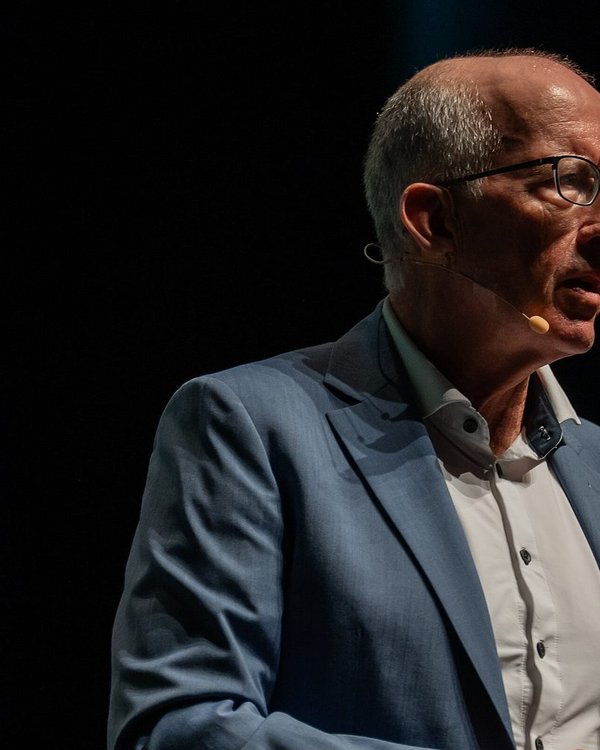
Pim Cuijpers
Clinical psychology, the evidence for psychotherapy in depression
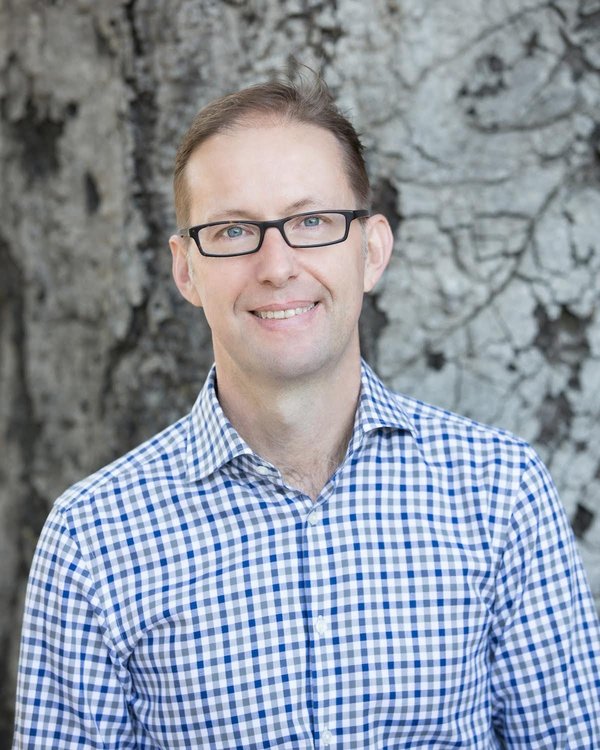
Russell A. Poldrack
Cognitive neuroscience, the methods and reproducibility of neuroimaging
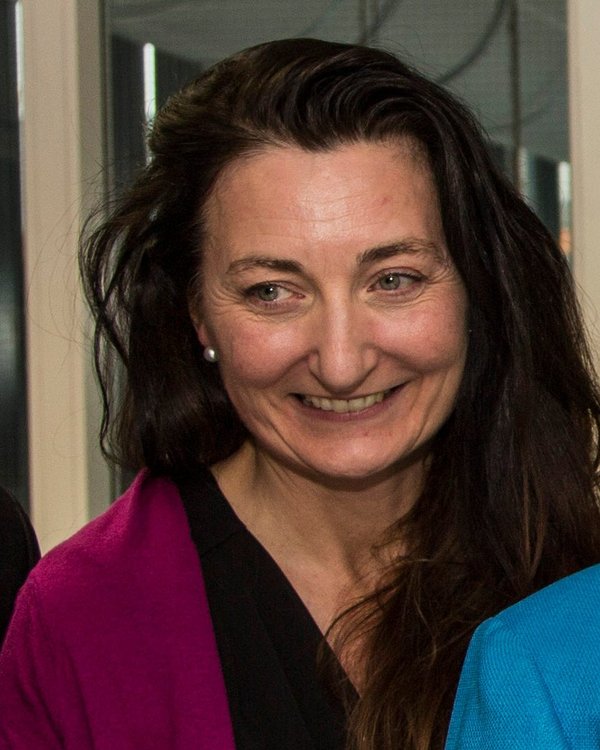
May-Britt Moser
Systems neuroscience, grid cells and the brain's positioning system
Wolfram Schultz
Reward, dopamine, and the neurophysiology of decisions
Karl J. Friston
Theoretical neuroscience, brain imaging methods, the free-energy principle
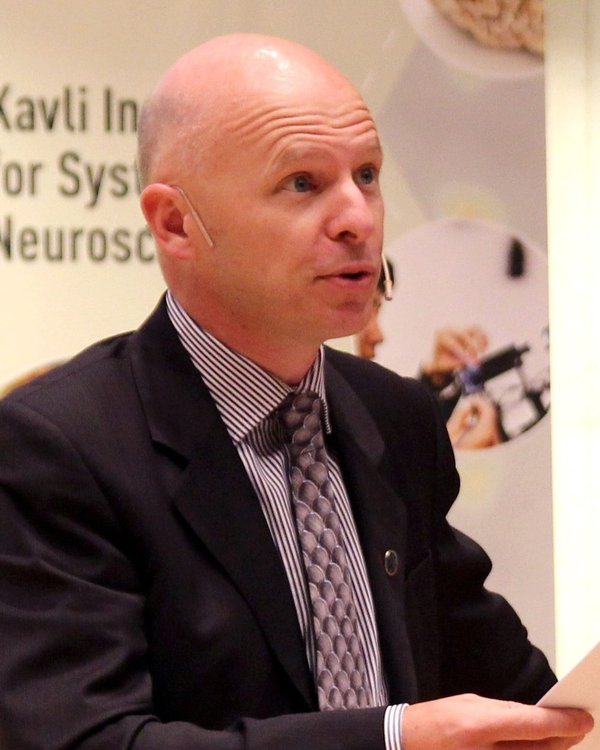
Stanislas Dehaene
Cognitive neuroscience of consciousness, reading, and number
Giulio Tononi
Integrated information theory, sleep, and the measurement of consciousness
Science is something people do
A formula can look as if it had always been there. The spotlights show that the questions are open, that the methods of each unit are in use today, and who is using them. For every unit you also receive a reading list with further papers that are free to read.